
Giới thiệu
Rapid prototyping produces parts either by additive manufacturing (3D printing) or by subtractive machining of soft, easy-to-cut materials such as foam and engineered wood. As a 3D printing service in Vietnam, CT3D uses rapid prototyping for one-off and low-volume parts that need to be made quickly and cost-effectively.
CT3D Group works with engineers, product designers, manufacturers, architects and artists who need physical parts without the cost and delay of tooling. Under one roof we combine several additive processes – FDM, large-format SLA resin, engineering plastics including PA12, SLM metal and industrial multi-technology printing – with CNC machining of foam and wood for very large or low-cost shapes.
Choosing the right process matters more than choosing the most advanced one. A large concept model, a paint-ready display piece, a nylon snap-fit housing and a heat-resistant metal bracket each call for a different technology, material and finish. That is why every request starts with an engineering review: you send your 3D files (STL, STEP, IGES or OBJ) or a physical sample, and our engineers recommend the process, material and post-processing that meet your requirements at the lowest reasonable cost. When appearance counts, parts can be finished with painting and plating. We sign an NDA on request, communicate in English and ship internationally on request.
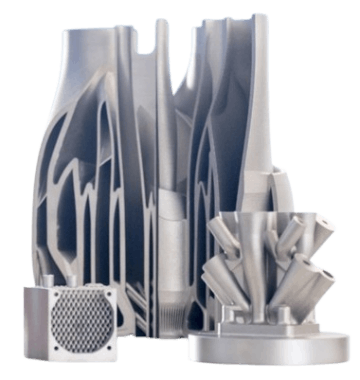
SLM (Selective Laser Melting) metal 3D printing in 316L stainless steel, AlSi10Mg aluminum, titanium and more, with tolerances of about ±0.02 mm and a 250×250×300 mm build volume. Post-processing includes stress-relief annealing, CNC finishing of mating surfaces, bead blasting and polishing – orders from a single part.
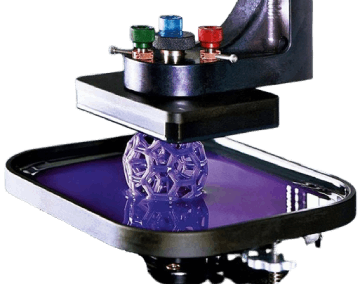
SLA (Stereolithography) printers with build volumes up to 800×800×500 mm and 25–100 micron layers, delivering a smooth, paint-ready surface – ideal for printing large statues, models and product housings in one piece with minimal joints.

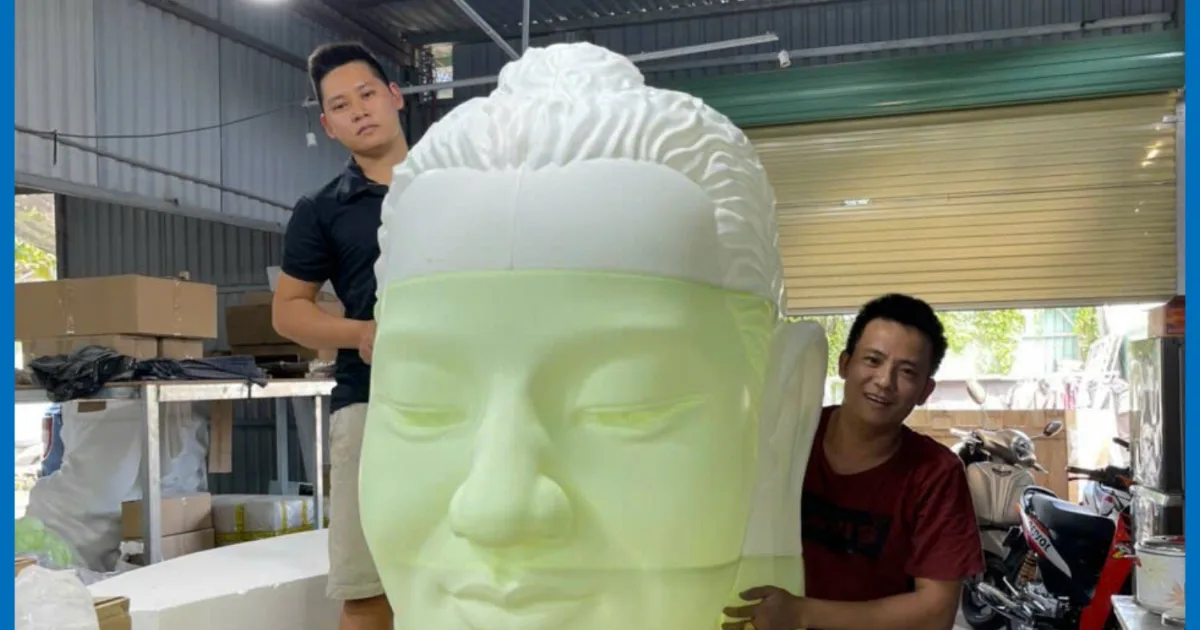
Large-format CNC milling of EPS/XPS foam on multi-axis machines directly from your 3D file: mascot cores, architectural scale models, 3D letters and event props, plus foam cores for FRP composite coating – fast cutting with low material cost.
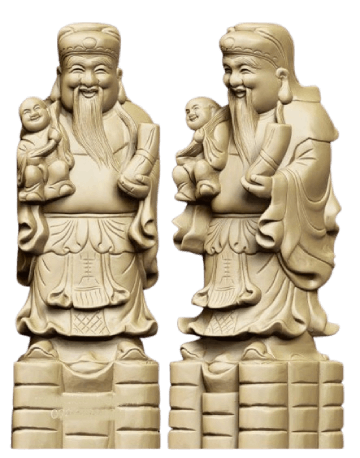
CNC machining of solid wood, MDF and HDF from CAM toolpaths: 2.5D/3D relief carving, furniture components, table legs, wood molds and casting patterns – consistent accuracy and identical repeat parts from the same program.

Need engineering support for a prototyping challenge, material selection or production strategy? CT3D’s engineers respond quickly, recommend a solution and quote from your 3D files (STL, STEP, IGES, OBJ) or a physical sample.

Vietnam-based manufacturing partner for Additive Manufacturing, 3D scanning, reverse engineering, rapid prototyping, silicone tooling and low-volume OEM/ODM production – engineering support from design to delivery.
How to Choose the Right 3D Printing Service
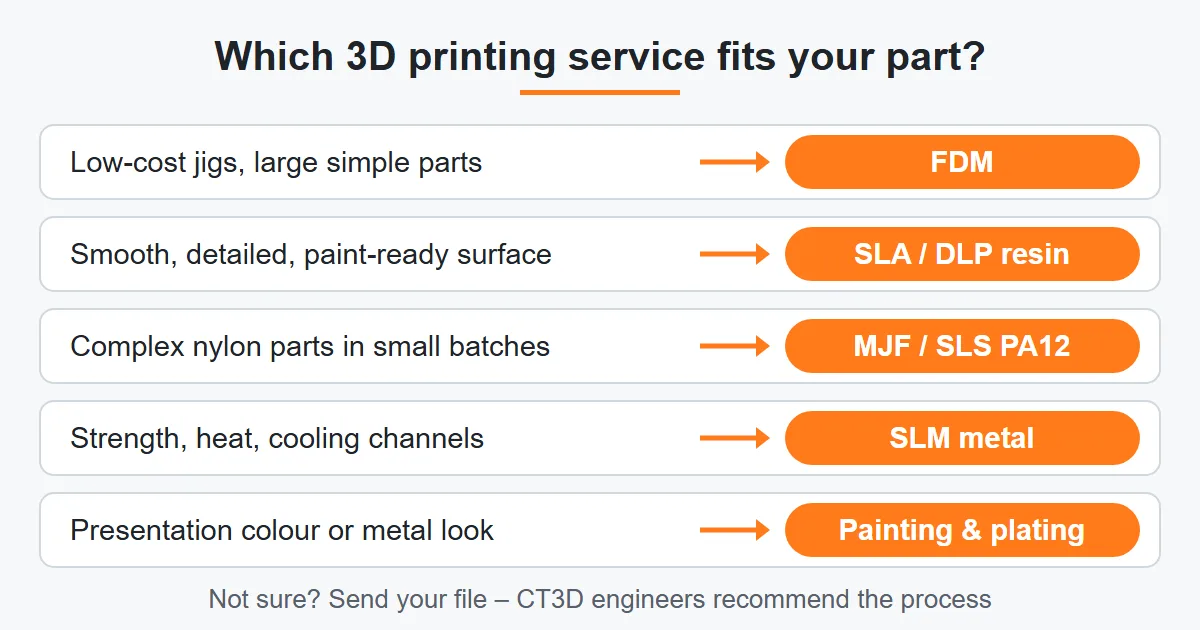
Use the table below as a starting point. It summarizes what each CT3D service is typically best at; our engineers will confirm the recommendation after reviewing your files.
| Service | Best for | Key strengths | Consider |
|---|---|---|---|
| FDM 3D printing | Concept models, jigs and fixtures, large simple parts | Lowest cost per part, wide choice of thermoplastics | Visible layer lines; wider tolerances than resin |
| Large-format SLA | Statues, display models, large product housings | Build volume up to 800×800×500 mm, 25–100 micron layers, smooth paint-ready surface | Resin parts are less impact-resistant than engineering plastics |
| Engineering plastics | Functional parts, snap-fits, outdoor or load-bearing parts | Tough, heat- and UV-resistant materials such as PETG-CF, Nylon, ASA and PA12 | Material choice depends on load, temperature and environment |
| Metal 3D printing (SLM) | Strong, heat-resistant or complex metal parts | 316L, AlSi10Mg, titanium and more; about ±0.02 mm; 250×250×300 mm build volume; from a single part | Higher cost; supports and post-processing required |
| Industrial 3D printing | Projects that need several technologies or a recommendation | SLA/DLP, engineering FDM, MJF/SLS PA12 and SLM matched to each part | Share operating conditions and quantity for the best advice |
| Painting & plating | Appearance prototypes, figures, trophies, gifts | Primer, airbrush, hand painting, metallic effects and plating | Coatings add thickness – mark mating faces |
| CNC foam / CNC wood | Very large mascots, props, letters, wood molds and patterns | Fast cutting and low material cost for big volumes | Foam usually needs coating; detail is limited by tool size |
From File to Finished Part
Every project follows the same simple path: send your 3D files or a sample, receive engineering advice and a quote, approve the process and material, and we produce, inspect and deliver the parts. If you only have an idea, a sketch or an existing object, CT3D can also help with 3D design, 3D scanning and reverse engineering before printing.

Frequently Asked Questions
Which 3D printing technology should I choose?
It depends on what the part must do. FDM suits low-cost concept models and jigs, SLA resin suits smooth, detailed and paint-ready parts, PA12 suits tough functional parts, and SLM suits metal parts that carry load or heat. Send your file with the intended use and quantity, and our engineers will recommend the best option.
What files do I need to send for a quote?
3D files in STL, STEP, IGES or OBJ format are ideal; STEP is best when geometry may need editing. If you have no 3D file, a physical sample, drawings or photos are a good start, and CT3D can help with 3D design or 3D scanning.
How large can a 3D printed part be?
Our SLA printers have build volumes up to 800×800×500 mm, so large statues, models and housings can often be printed in one piece. Larger objects can be split, printed and joined, or produced by CNC foam milling.
Can you 3D print metal parts?
Yes. We print metal parts by SLM in 316L stainless steel, AlSi10Mg aluminum, titanium and more, with tolerances of about ±0.02 mm in a 250×250×300 mm build volume. Post-processing includes stress-relief annealing, CNC finishing of mating surfaces, bead blasting and polishing, and orders start from a single part.
When is CNC foam or wood a better choice than 3D printing?
For very large, simple shapes such as mascots, event props, 3D letters or casting patterns, CNC milling of EPS/XPS foam or wood is often faster and cheaper than printing. Foam cores can also be coated with FRP composite for strength.
Do you work with international customers?
Yes. CT3D is a Vietnam-based manufacturing partner with English-speaking engineering support. We quote from your files, sign an NDA on request and arrange international shipping on request.
Not Sure Which Process Fits?
Send your 3D files or a photo of your part. CT3D engineers will recommend the right technology and material and reply quickly with a quote.
Get a 3D printing quote