
Large Composite FRP Statues – CNC Foam, Steel Frame
CT3D builds large composite FRP statues, mascots and landmark models in Vietnam for public spaces, tourism sites, brands and events. Each piece combines a CNC-milled foam form, an internal steel frame and a hand-laid fiberglass shell, finished with an outdoor paint system and delivered in sections for installation on site.
Technical summary: CT3D fabricates large composite FRP (fiber-reinforced plastic) statues and models in Vietnam for outdoor spaces, events and construction projects. The form is modeled in 3D, then CNC milled from EPS/XPS foam or 3D printed in sections as a pattern; we then either build a mold or laminate glass fiber and resin directly over it (lay-up). Surfaces are finished with gel coat or filler, primer and a UV-resistant topcoat. This method produces large, lightweight, weatherproof pieces with an internal load-bearing steel frame, delivered in sections for on-site installation.
Key Facts at a Glance
| Item | What we offer |
|---|---|
| Form pattern | 3/4/5-axis CNC milling of EPS/XPS foam; FDM or resin 3D printing for small details |
| Shell | Glass fiber (chopped strand mat, woven roving) with polyester, vinylester or epoxy resin |
| Structure | Welded steel frame, base plates and foundation anchor bolts; galvanized or anti-rust painted |
| Surface | Gel coat or filler, primer, color coat, UV-resistant gloss or matte clear coat |
| Forming method | Female mold for repeat pieces, or direct lay-up over a foam core for one-offs |
| Size | Several meters tall, split into sections sized for transport and site access |
| Installation | On-site section assembly and joint finishing |
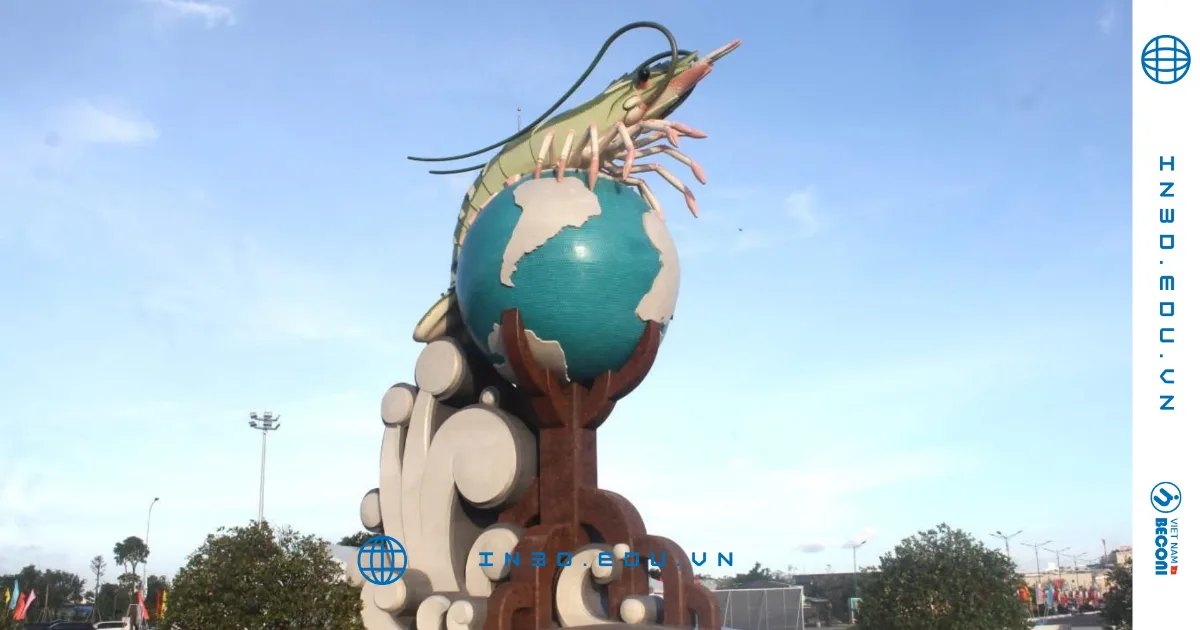
What Is Composite FRP and Why It Suits Large Statues
A composite combines two components: a resin matrix and a reinforcement. In statues and models, the matrix is usually unsaturated polyester or vinylester resin, and the reinforcement is glass fiber in the form of chopped strand mat or woven roving. The resin binds the fibers; the fibers carry tensile loads and resist cracking. The result is a shell only a few millimeters thick that is rigid, much lighter than solid casting, and weathers sun and rain well when properly coated. That is why composite is used for mascots, public plaza statues and regional landmark models; CT3D has published a giant Ca Mau shrimp model project built this way.
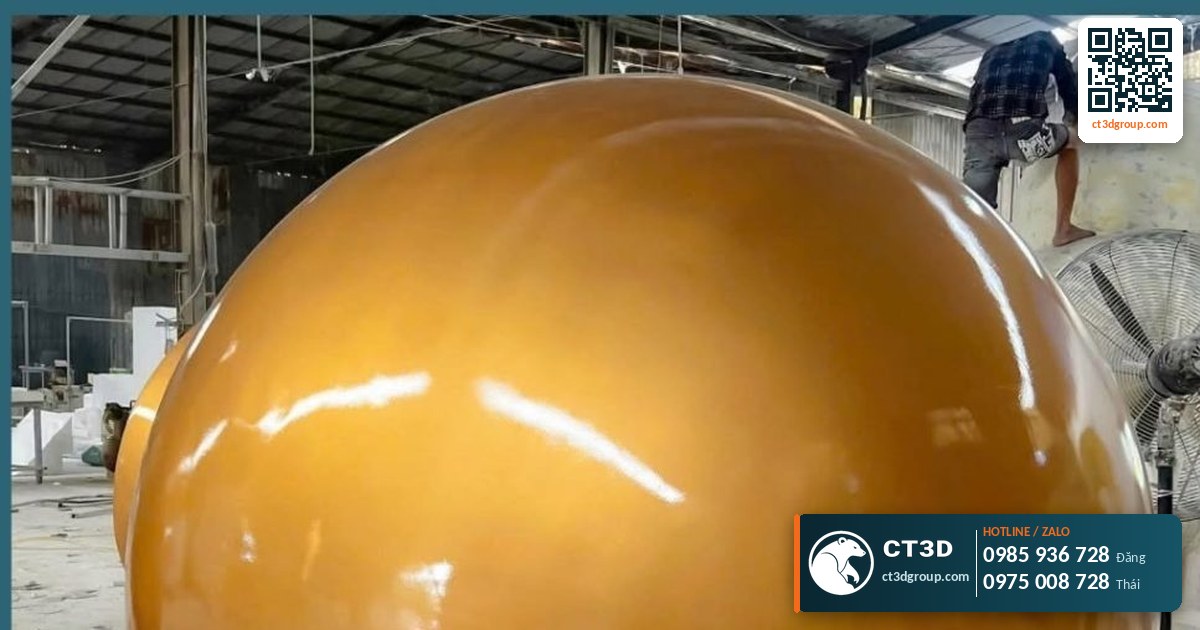
Scope of Work and Reference Specifications
| Stage | Technology | Technical goal |
|---|---|---|
| Modeling | 3D design, 3D scanning (point cloud → mesh), digital sculpting | Lock in proportions, pose and installation sections |
| Form pattern | 3/4/5-axis CNC milling of EPS/XPS foam; FDM or resin 3D printing for small details | Reduce hand sculpting time, stay true to the file |
| Load-bearing frame | Welded steel frame, base plates, foundation anchor bolts | Resist wind and self-weight; provide lifting points |
| Shell | Hand lay-up of glass fiber + polyester/vinylester resin | Shell thickness based on size and location |
| Surface | Gel coat or filler, sanding, primer, color coat, UV-resistant gloss/matte clear | Durable outdoor color, easy to clean |
| Installation | On-site section assembly, joint treatment | Watertight, color-matched joints |
Source: CT3D composite fabrication process; shell thickness and frame sizing are calculated per project.
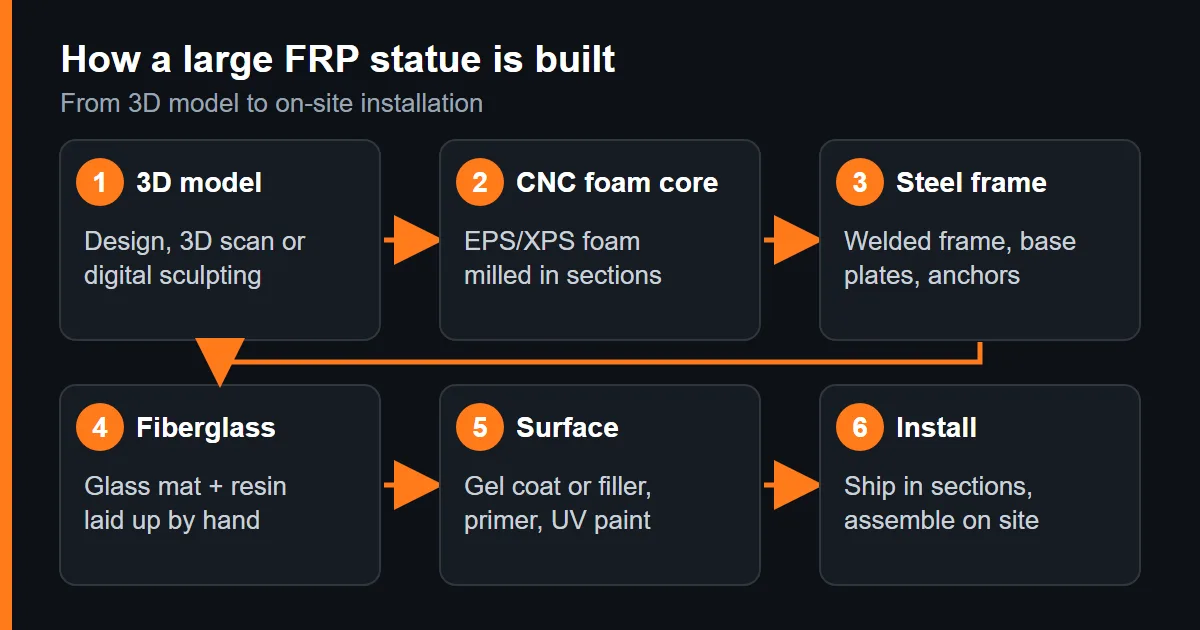
How a Large Composite Statue Is Built
- 3D model: the statue is designed, 3D scanned or digitally sculpted, and the installation sections are planned in the file.
- CNC foam core: EPS or XPS foam blocks are milled section by section on 3-, 4- or 5-axis CNC machines; small details can be 3D printed.
- Steel frame: a welded steel frame with base plates, anchor bolts and lifting points is built and rust-proofed before it is enclosed.
- Fiberglass lay-up: glass mat or woven roving is wetted with resin and rolled out layer by layer to remove air, either in a female mold or directly over the sealed core.
- Surface finishing: gel coat or filler, sanding, primer, color coats and a UV-resistant clear coat.
- Transport and installation: sections are packed, shipped, assembled on site and the joints are sealed and color-matched.
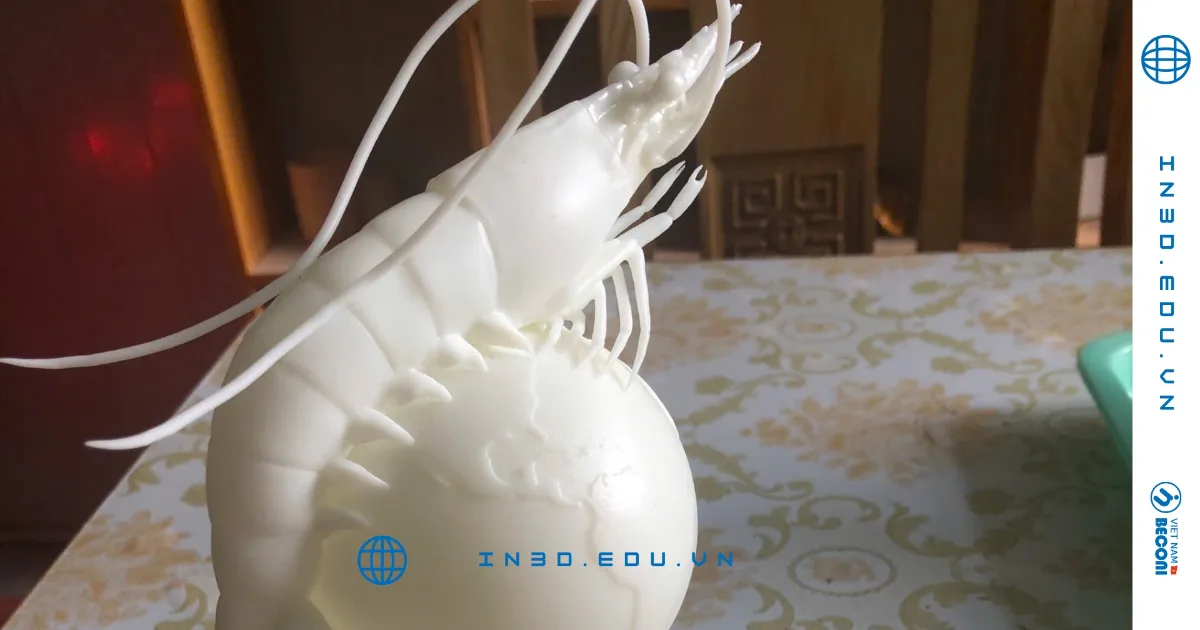
Two Forming Methods: Female Mold or Direct Lay-Up over a Core
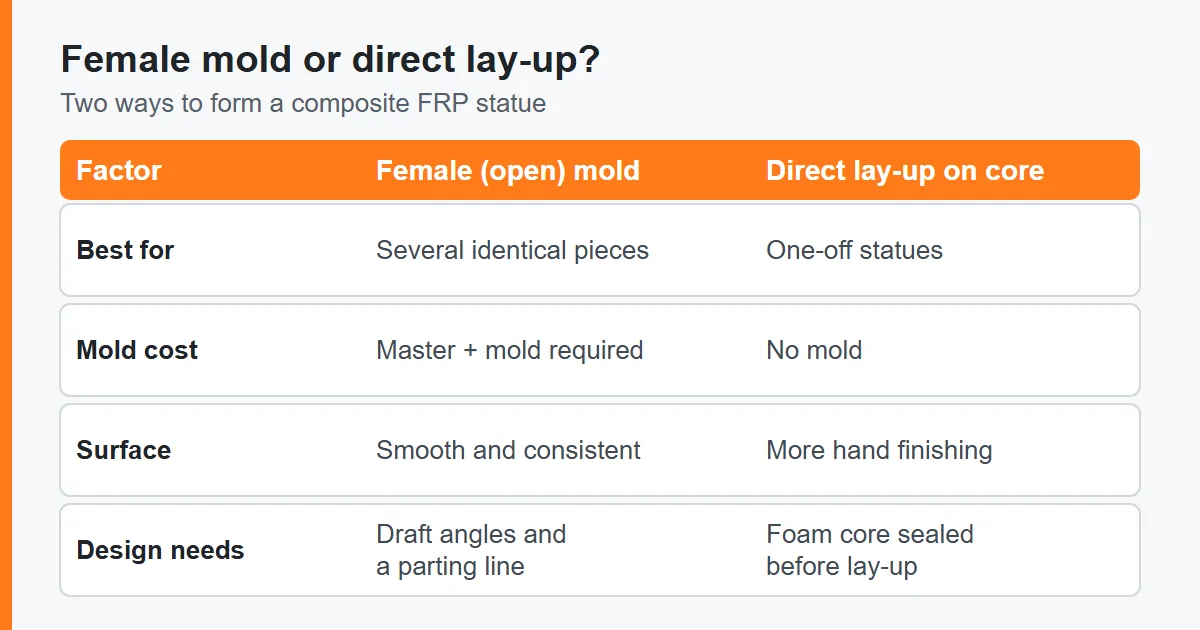
Open (female) mold for repeat production
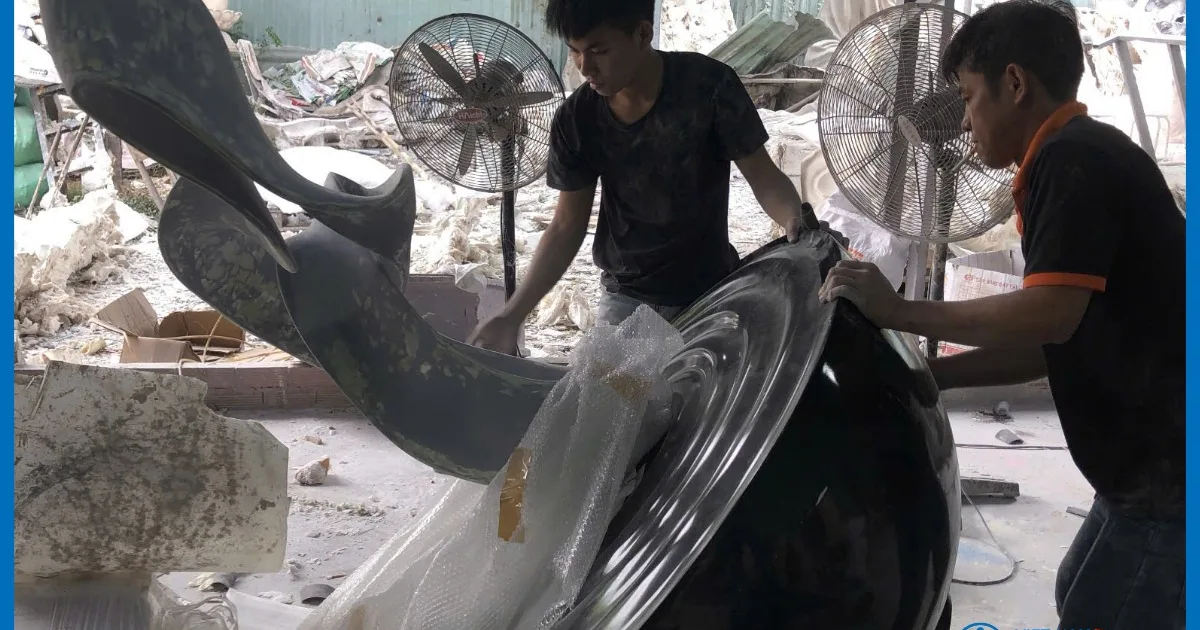
When several identical pieces are needed, CT3D makes a master pattern, then builds a female mold in composite or silicone with a mother mold. The mold surface is waxed and coated with mold release, the outer gel coat is sprayed, then resin-impregnated fiber is laid up layer by layer. The advantage is a smooth, consistent surface straight out of the mold, with every piece matching the last. The design must include draft angles and a sensible parting line, because cured composite does not flex to release from undercuts. See also silicone mold making for resin and composite casting on our FRP composite molds page.
Direct lay-up for one-off pieces
For a statue made only once, building a mold is costly and unnecessary. The foam core is CNC milled from the file, sealed with a protective coat so polyester resin does not attack the foam, and fiber is laid directly onto the surface. After curing, technicians fill, sand, re-create fine details and paint. This saves mold costs but requires more surface finishing labor. The combined CNC foam and composite process is used for mascots as well — see our CNC foam cutting service and how CNC machining differs from 3D printing on our CNC machining page.
Materials & Standards
| Component | Common options | Role |
|---|---|---|
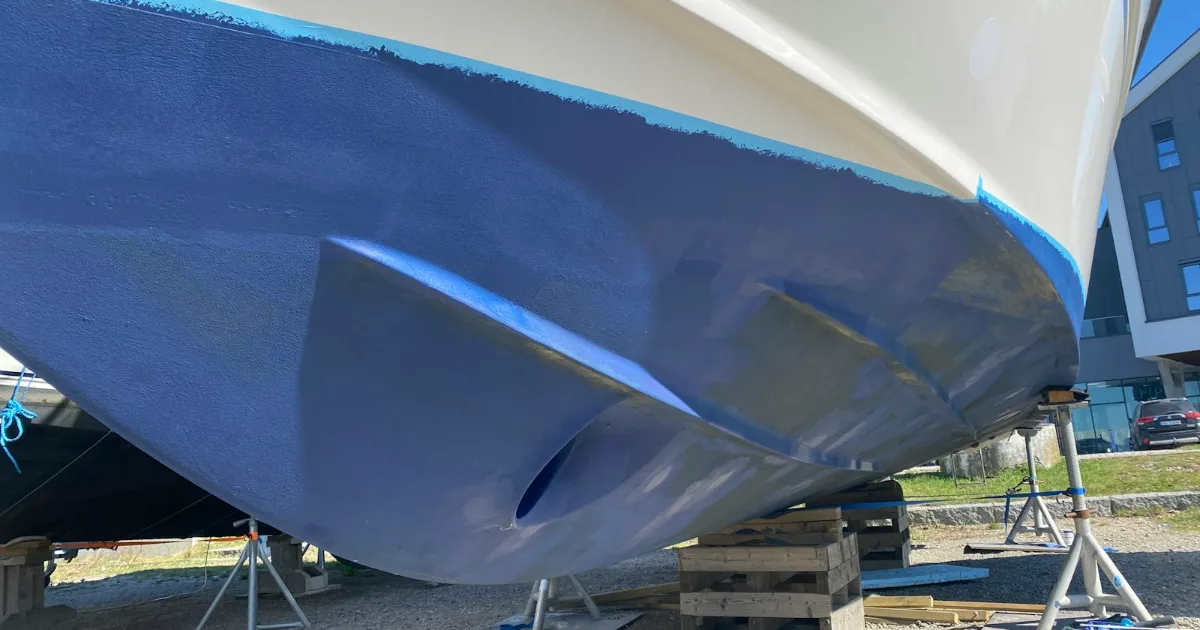
| Matrix resin | Unsaturated polyester, vinylester, epoxy | Binds the fibers; determines water and chemical resistance |
| Reinforcement | Chopped strand glass mat, woven roving | Tensile strength, crack resistance, shell stiffness |
| Gel coat | Pigmented or clear polyester gel coat | Waterproof, fade-resistant surface layer |
| Core | EPS/XPS foam, wood, MDF for flat details | Creates the form, reduces weight |
| Frame | Box section and tubular steel, galvanized or anti-rust painted | Load bearing, foundation anchoring, lifting points |
| Coatings | Adhesion primer, color coat, UV-resistant clear coat | Appearance, outdoor color durability |
Reference materials based on composite industry practice; final selection depends on the project.
Design Guidelines for Large FRP Statues
Large outdoor pieces have to be designed for transport, wind, rain and the public, not only for appearance. The points below are general good practice; final shell thickness and frame sizing are calculated for each project.
| Topic | Typical guidance | Why it matters |
|---|---|---|
| Section size | Split the statue so each section fits the truck and the site access | Avoids special transport and on-site cutting |
| Joint positions | Place joints along natural lines of the form | Joints are easier to seal and hide after painting |
| Frame and anchors | Plan the steel frame, base plates and anchor bolts in the 3D model | The statue must resist wind and its own weight and be safely lifted |
| Water traps | Avoid upward-facing pockets; add drainage where water could collect | Standing water shortens paint life and can reach the frame |
| Thin protrusions | Thicken or reinforce horns, ears, tails and fingers | Exposed tips take knocks during transport and in public spaces |
| Edges in public areas | Use rounded edges on parts people can touch | Safer for parks, schools and photo spots |
| Colors outdoors | Choose an outdoor paint system with a UV-resistant topcoat | Reduces fading in strong sun |
Surface Finishing Options
| Finish | Description | Typical use |
|---|---|---|
| Pigmented gel coat | Colored gel coat sprayed into a female mold as the outer layer | Repeat pieces with a uniform, waterproof surface |
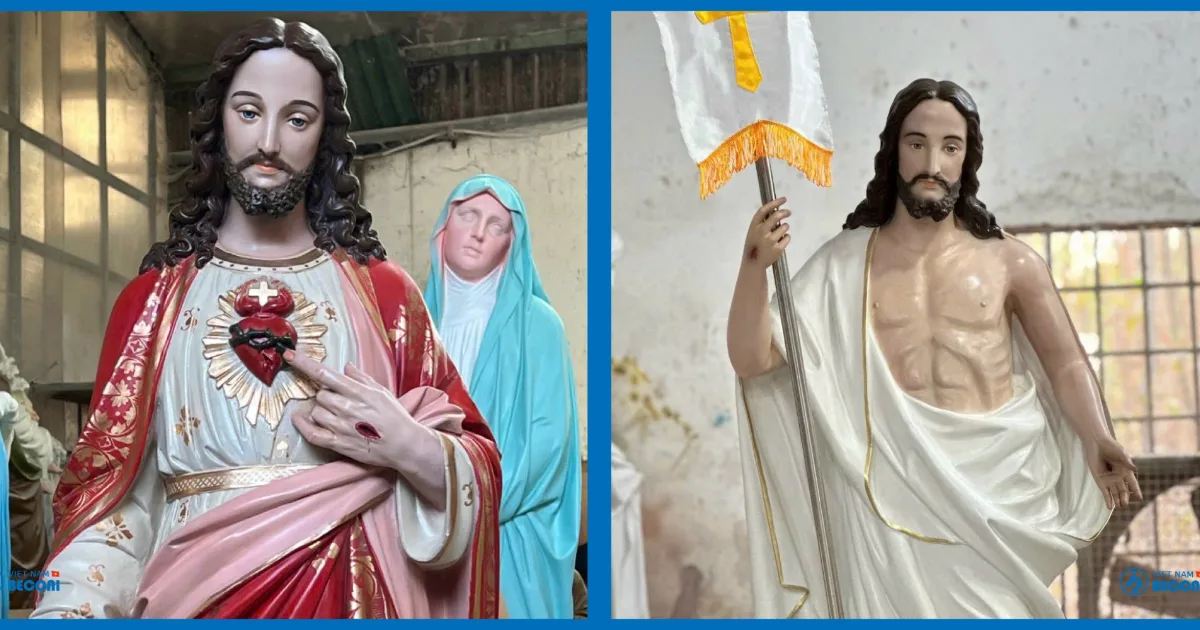
| Filler and paint | Filler, sanding, primer and color coats over a direct lay-up shell | One-off statues and complex characters |
| Multi-color painting | Hand and spray painting of characters, logos and details | Mascots, brand models, cartoon figures |
| UV-resistant clear coat | Gloss or matte protective top layer | All outdoor pieces |
Multi-layer finishing techniques are described on our painting and finishing page.
Industry Applications
- Tourism and regional landmarks: icons of local specialties, regional mascots, entrance gates, photo spots.
- Branding and marketing: mascots, oversized product packaging, storefront models.
- Events and stage: lightweight large-scale props that assemble quickly and move easily between venues.
- Religious and landscape: garden statues and statues for the grounds of places of worship.
- Amusement parks and schools: animal models, cartoon characters, decorative blocks with safe rounded edges.
Composite FRP vs Other Large-Format Options
For big statues and props, buyers usually compare these routes. The table shows typical, qualitative differences; your size, location and budget decide the best fit.
| Factor | Composite FRP | Cast polyresin | Painted foam only | Bronze casting |
|---|---|---|---|---|
| Typical size | Large, several meters | Small to mid-size | Large | Any, cost rises steeply with size |
| Weight | Light shell over a frame | Heavy if solid; lighter if hollow | Very light | Very heavy |
| Outdoor durability | Good with proper coating | Under cover only | Short-term, indoor or events | Very good |
| Impact resistance | Good | Good | Low | Very good |
| Relative cost | Medium | Low to medium | Low | High |
For small and mid-size figures see polyresin statues; for foam-only props see CNC foam cutting.
Quality Control for Composite Statues
Composite defects are often internal and only appear after months of sun exposure, so QC must start at lay-up. Technicians roll out each layer to remove air bubbles, check for dry spots (fiber not fully wetted with resin) and keep the catalyst ratio matched to workshop temperature. After curing, the surface is tap tested to detect delamination. The steel frame’s welds and anti-rust coating are inspected before it is enclosed. Finally, paint color, coverage and the joints between sections are checked.
| Defect | Technical cause | Prevention |
|---|---|---|
| Surface blistering | Air bubbles between layers, moisture | Thorough rolling, work in a dry environment |
| Gel coat crazing | Gel coat too thick, shell too thin | Control the thickness of each layer |
| Rust stains from the frame | Frame not rust-proofed | Galvanize or apply anti-rust paint before enclosing |
| Outdoor color fading | Missing UV-resistant topcoat | Use an outdoor paint system and protective coat |
How to Order: From RFQ to Project Handover
Start with a rendering, a photo or a 3D file. Your files stay confidential and we sign an NDA on request; a free manufacturability (DFM) review is part of every quote.
- RFQ: send renderings, reference photos or 3D files via our Contact form; tell us the height, location (indoor, outdoor, coastal) and event deadline.
- Survey and DFM review: engineers define the shipping sections, frame position, base and forming method (mold or direct lay-up).
- Quotation with schedule: itemized into modeling, CNC, frame, composite, painting, transport and installation.
- Design approval: approve the 3D model and color palette; for large projects, a 3D printed scale model can also be approved.
- Workshop fabrication: core milling, frame welding, fiber lay-up, finishing and painting; clients can inspect mid-project.
- QC, transport and installation: inspection of surfaces, joints and frame rigidity; packed in sections, installed and joints finished on site.
Why Choose CT3D for Composite Statues
- Digital-to-physical in one workshop: 3D modeling and scanning, CNC foam milling, steel frame welding, fiberglass lay-up and painting are handled by one team.
- Proven large-format work: published projects include a giant Ca Mau shrimp landmark model.
- Built for the site: sections, frame, base and anchors are planned around transport limits and the installation location.
- Approval before fabrication: 3D model and color palette first, with a 3D printed scale model for large projects.
- Clear communication: itemized quotes covering modeling, CNC, frame, composite, painting, transport and installation, engineering support in English and a fast reply.
Frequently Asked Questions (FAQ)
Are composite statues durable outdoors?
Yes, provided the shell is thick enough, the frame is rust-proofed and the surface has a UV-resistant paint system. Statues should be cleaned and the paint inspected periodically.
How is composite different from polyresin?
Polyresin is resin poured into a mold, suited to small and mid-size statues. Composite is a fiber-reinforced resin shell, light and rigid, suited to large outdoor pieces.
Can you make composite statues several meters tall?
Yes. The statue is split into sections for transport, built around an internal steel frame and assembled on site. Section size is determined by the transport vehicle and site access.
Can you work from a rendering or photo only?
Yes. CT3D builds the 3D model from your images and sends previews for approval before milling the core and starting fabrication.
Should I choose a mold or direct lay-up?
If you need several identical pieces, a female mold gives a smooth, consistent surface on every piece. For a one-off statue, direct lay-up over a CNC foam core avoids mold costs but needs more hand finishing. We recommend a method during the DFM review.
Does the location affect how the statue is made?
Yes. Tell us whether the statue will stand indoors, outdoors or in a coastal area. The location guides the resin and paint system, the frame protection and the shell thickness.
Can we inspect the statue during fabrication?
Yes. You approve the 3D model and color palette first; for large projects a 3D printed scale model can also be approved. Clients are welcome to inspect the work in the workshop mid-project.
Do you install the statue on site?
Yes. Sections are packed and transported, assembled on site, and the joints are sealed and color-matched so the finished statue is watertight.
Real Footage from the CT3D Workshop
Watch the video Making a 4-meter Buddha statue master – 3D printing and CNC machining produced by CT3D to get a clearer picture of our process and product quality. More videos are available on the Che Tao Vlog – CT3D channel.
Contact CT3D – Send Your Files for a Fast Quote
Whether you have a 3D file, a 2D drawing, photos or just an idea, you can send it to CT3D. Our engineers will review your files, advise on technology and materials, and send a quotation with a delivery schedule. Files can be sent online (STL, STEP, IGES, OBJ).
- Email: [email protected] – [email protected]
- Phone / Zalo: +84 975 008 728 (Mr. Thai) – +84 985 936 728 (Mr. Dang), or use our Contact form
- Head office: Binh Duong, Vietnam.
- Workshops: Ho Chi Minh City, Vietnam.
- Other workshops and drop-off points: Can Tho, Da Nang, Bien Hoa, Ba Ria – Vung Tau, Hanoi, Hai Duong, Hai Phong. Delivery nationwide and international shipping.
- Website: ct3dgroup.com – in3d.edu.vn
CT3D – 3D design & prototyping: 3D printing, 3D scanning, reverse engineering, silicone mold making, painting and finishing, CNC machining, composite fabrication, plus 3D printers and 3D printing materials.
Planning a large statue, mascot or landmark model?
Send renderings, photos or 3D files with the height, location and deadline. We reply quickly with a free DFM review and an itemized quote.