
Stainless Steel & Metal Signage in Vietnam – Logos, Letters
Technical summary: CT3D designs, fabricates and installs stainless steel and metal signage and architectural metalwork in Vietnam – logos, dimensional letters, emblems, decorative screens and sculptural forms in stainless steel, carbon steel, aluminum and brass/bronze. Our process chain combines 3D modeling, laser/CNC sheet cutting, press-brake bending, TIG welding, CNC machining, SLM metal 3D printing for complex parts, and surface finishing (hairline brushing, mirror polishing, powder coating, PVD color coating, electroplating). Every project starts with a site survey, wind-load assessment and fixing method before quotation.
A metal logo on a facade or behind a reception desk is often the first physical contact a visitor has with a brand, so it has to look precise on day one and stay that way for years. CT3D designs, fabricates and installs stainless steel signage and metal décor in Vietnam – dimensional letters, illuminated letters, lobby logos, laser-cut screens, emblems and sculptural pieces – and treats each one as a small engineering project with drawings, a fixing method and finish control.
Metal Signage at a Glance
| Item | CT3D capability |
|---|---|
| Products | Dimensional letters, halo-lit and face-lit letters, lobby logos, emblems, decorative screens and louvers, gates, display frames, small badges |
| Metals | Stainless steel, carbon steel, aluminum, brass/bronze |
| Fabrication | 3D modeling, laser/CNC sheet cutting, press-brake bending, TIG welding, CNC machining, SLM metal 3D printing |
| SLM build volume | 250×250×300 mm (larger parts assembled from modules) |
| Finishes | Hairline brushed, mirror polished, powder coating, PVD color coating, electroplating, patina on brass/bronze |
| Fixing methods | Cast-in bolts, threaded studs, concealed brackets – chosen for concrete, aluminum composite panel, glass or wood substrates |
| Input | Vector logo file, site photos and target size – or an image of the logo, which we redraw |
| Coverage | Workshops and drop-off points in several provinces of Vietnam; installation quoted per location |
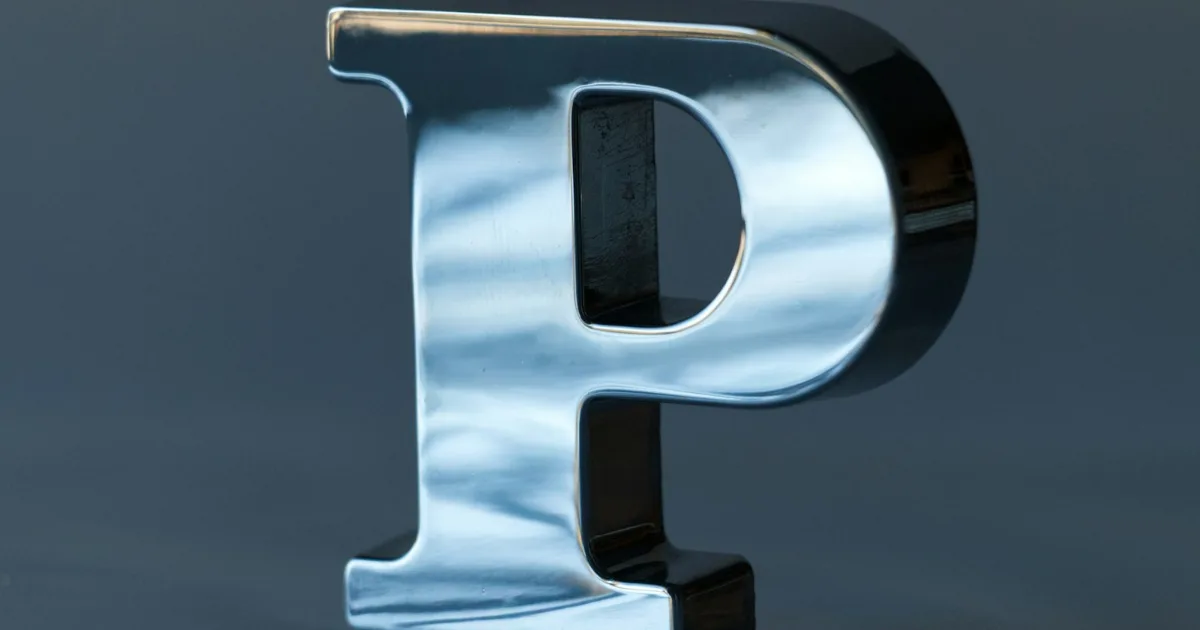
Scope of Work for Metal Signage and Architectural Metalwork
Decorative metalwork has to meet two requirements at once: the aesthetics of your brand identity and structural durability on a facade, in a lobby or outdoors. CT3D approaches each job as an engineering project – with shop drawings, a fixing method and finish control – rather than simply cutting letters from a logo file.
| Item | Main fabrication method | Typical finish |
|---|---|---|
| Logos and dimensional letters for facades, lobbies and reception desks | Laser-cut sheet, bent into letter returns, fully welded faces | Hairline brushed, mirror, gold/black color coating |
| Illuminated letters (halo-lit, face-lit) | Stainless steel letter boxes with acrylic faces and LED cavities | Powder coating, electroplating |
| Decorative screens, louvers, gates | Laser or CNC cutting from vector files | Powder coating, PVD coating |
| Sculptural emblems, metal mascots | 3D modeling, segmentation, hand-formed welding or faceted polygon panels | Polishing, effect paint |
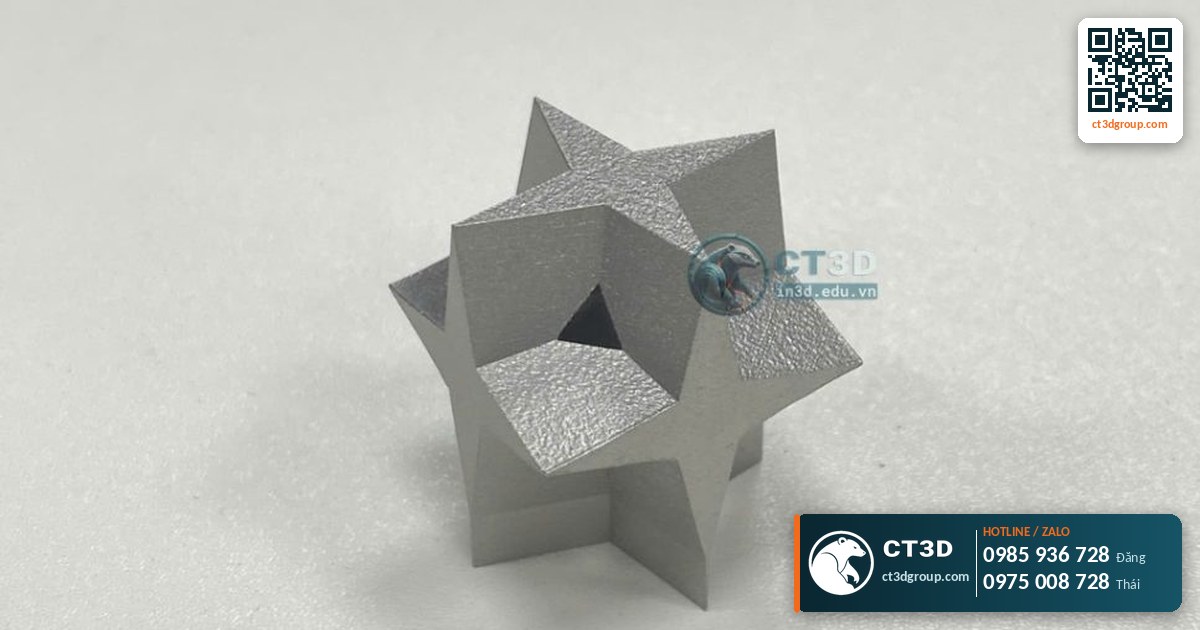
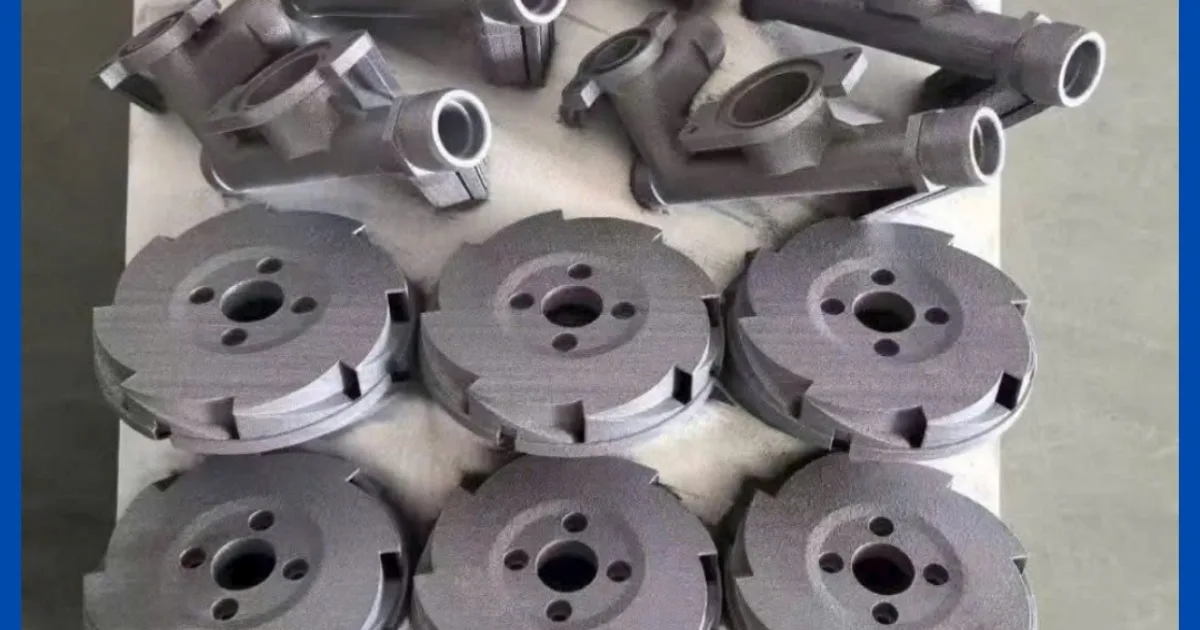
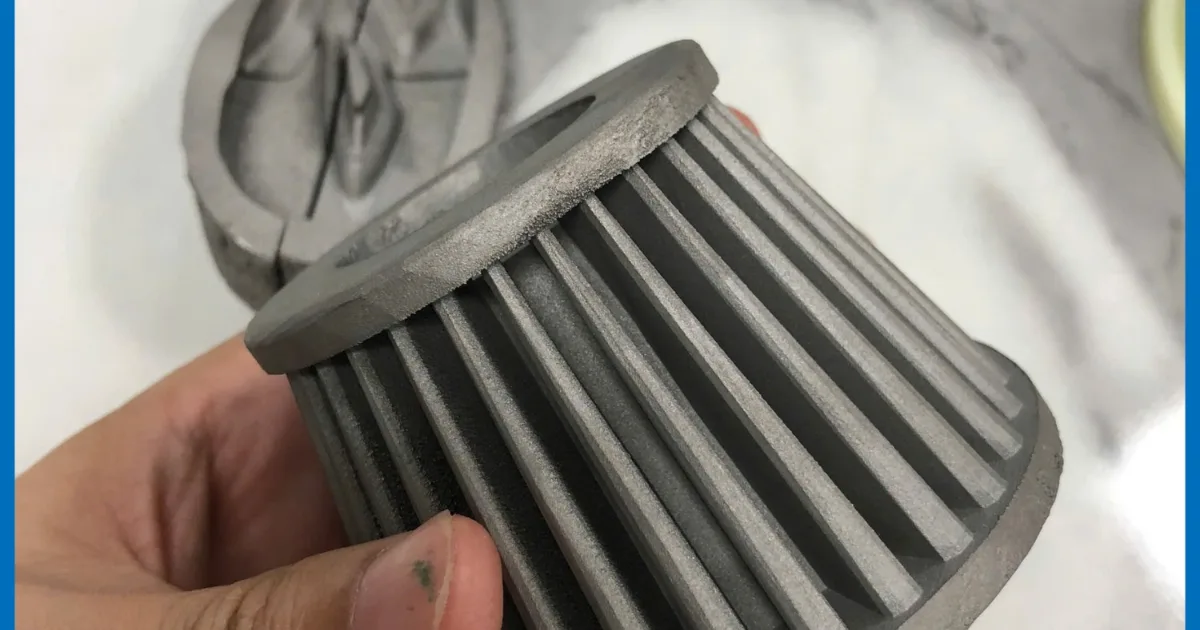
| Small parts with complex geometry, badges | SLM metal 3D printing or CNC machining | Bead blasting, polishing, plating |
| Frames, shelving, display stands | Cutting, bending, structural welding | Powder coating, brushed finish |
Source: CT3D service portfolio for machining, metal 3D printing and installation.
Materials and Finishing Standards
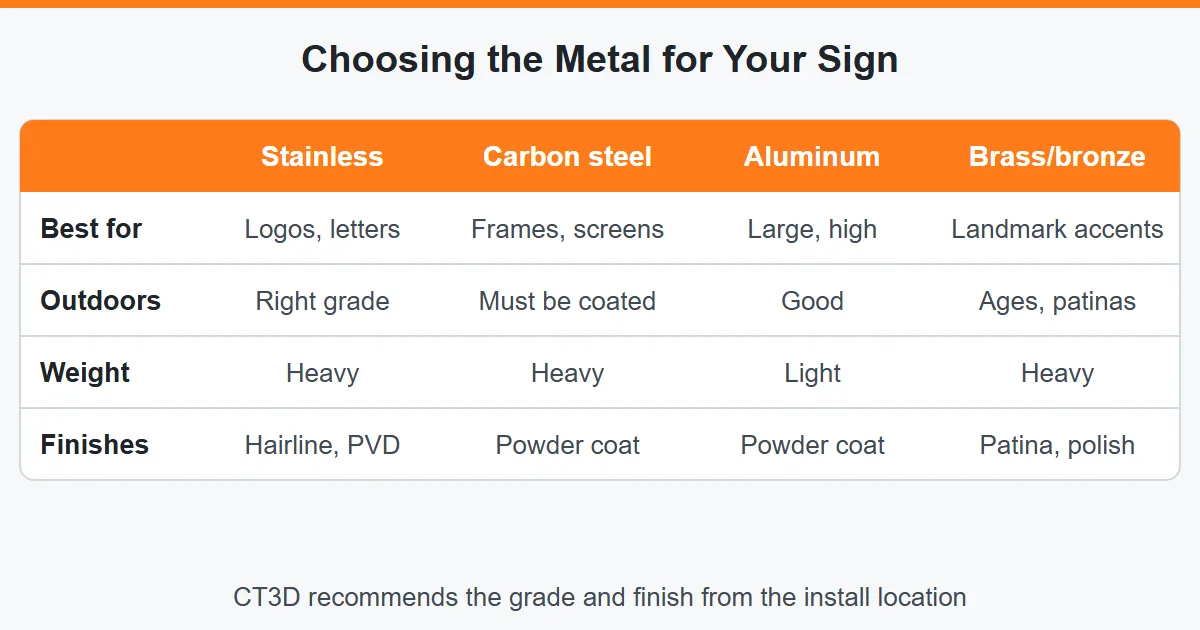
Choosing the metal for the environment
- Stainless steel: the main choice for logos and dimensional letters thanks to its corrosion resistance. Austenitic grades with higher nickel and molybdenum content resist pitting better in humid or coastal environments; our engineers recommend the grade based on the installation location.
- Carbon steel: low cost and easy to weld; it must have a protective layer such as powder coating or galvanizing when used outdoors.
- Aluminum: lightweight, suitable for high-mounted or large items where the load on the supporting structure must be reduced.
- Brass/bronze: gives a warm color and can be given an antique patina for landmark projects.
Surface finishes
| Finish | Characteristics | Technical notes |
|---|---|---|
| Hairline brushed | Straight, satin grain with a premium look | Keep the grain in one direction across all letter faces |
| Mirror polished | Highly reflective | Shows dents and welds easily; welds must be ground carefully |
| Powder coating | Uniform color, good adhesion | Requires surface preparation before coating to prevent peeling |
| PVD color coating | Gold, black, bronze, rose gold on stainless steel | Preserves the brushed grain or mirror finish underneath |
| Electroplating | Decorative metal layer | Suitable for small parts and badges |
Source: general metal materials and finishing knowledge.
How It Works – From Logo File to Installed Sign
Every sign follows the same six stages, from the first site visit to the handover.
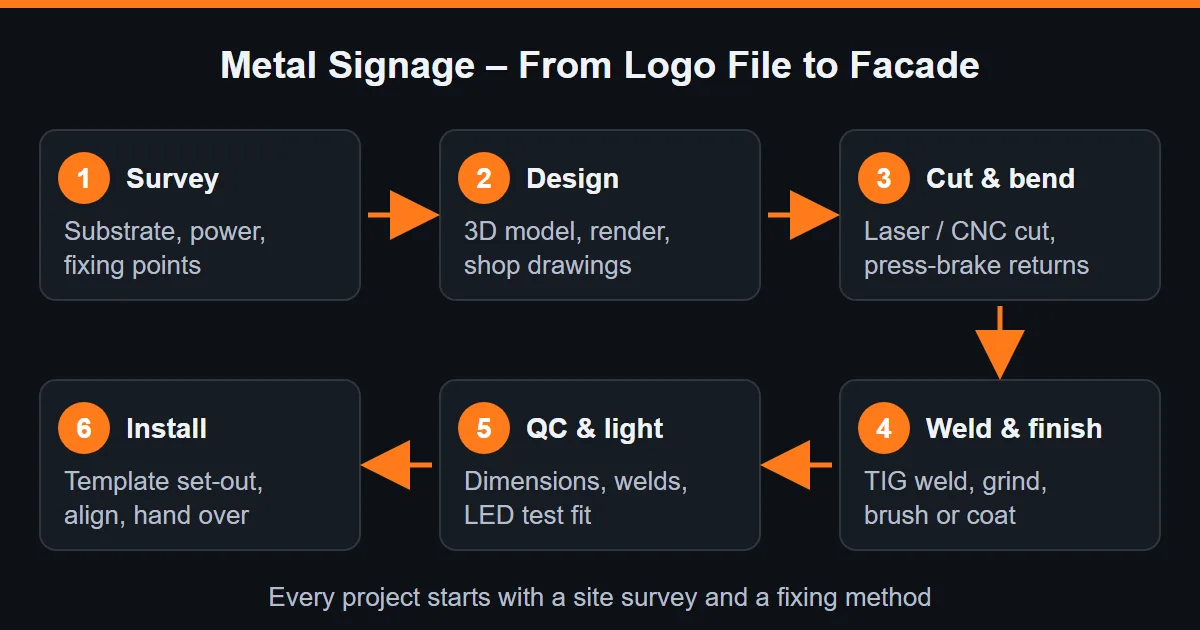
- RFQ and site survey: send your logo as a vector file, site photos, target dimensions and mounting location. Our engineers survey the substrate (concrete, aluminum composite panel, glass, wood) and the power supply for illuminated signs.
- Design and DFM review: 3D modeling and renderings; selection of sheet thickness, letter depth, fixing details (cast-in bolts, threaded studs, concealed brackets) and drainage points for outdoor letters.
- Quotation: based on material, fabrication volume, finish and installation height, with a schedule.
- Fabrication: laser or CNC cutting, bending, welding, weld grinding and surface finishing; complex parts can be metal 3D printed or CNC machined.
- In-house QC: dimensional check against drawings, weld inspection, finish inspection and lighting test fit.
- Installation and handover: transport, positioning with paper templates per the drawings, alignment, electrical connection and handover.
Design Guidelines for Metal Letters and Logos
These are typical rules of thumb for fabricated metal signage. Our engineers confirm sheet thickness, depth and fixings for your design during the free DFM review.
| Feature | Typical recommendation | Why it matters |
|---|---|---|
| Stroke width | Thin strokes and fine serifs are thickened or simplified | Very thin returns are hard to bend and weld without distortion |
| Letter depth | Chosen in proportion to letter height and viewing distance | Depth gives the sign its 3D presence and room for LEDs |
| Face sheet | Thicker sheet for large or mirror faces | Reduces heat distortion and visible dents |
| Outdoor letters | Fully sealed welds plus small drainage points | Prevents water collecting inside the letters |
| Halo-lit letters | Letters stand off the wall on studs | The gap lets light spread evenly behind the letter |
| Mixed metals | Isolate dissimilar metals; matching fasteners | Avoids galvanic corrosion |
| Brushed finish | Keep the grain in one direction | Grain direction must match across every character |
Industry Applications for Metal Logos and Signage
- Offices and factories: lobby logos, company names on facades, metal wayfinding signs.
- Retail and showrooms: illuminated dimensional letters, display shelving, decorative frames matched to brand guidelines.
- Hotels and restaurants: laser-cut decorative screens, louvers, gates.
- Events and exhibitions: sculptural emblems and metal models as focal points.
- Cultural and religious buildings: decorative brass/bronze elements and emblems with antique finishes.
For large sculptural forms with free-form curved surfaces, CT3D can combine CNC foam cutting, composite and metal – see our article on making mascots with CNC foam and composite. For small metal parts with geometry that is difficult to machine conventionally, see our articles on custom SLM metal 3D printing and on metal 3D printing vs. CNC machining.
Fabrication Methods Compared
Most signage is cut, bent and welded from sheet, but some shapes are better made another way. CT3D can combine methods within one project.
| Factor | Laser cut, bent & welded sheet | SLM metal 3D printing | CNC machining | CNC foam + composite |
|---|---|---|---|---|
| Best for | Letters, logos, screens, frames | Small complex parts, badges, hollow forms | Precise small parts and fittings | Large free-form sculptural shapes |
| Size | Small to very large | Up to 250×250×300 mm per piece; larger from modules | Limited by machine and stock | Very large |
| Geometry | Flat faces with bent returns | Organic, lattice and internal shapes | Prismatic shapes, holes, threads | Free-form curved surfaces |
| Typical finish | Hairline, mirror, powder coat, PVD | Bead blasting, polishing, plating | Machined, polished, plated | Effect paint |
Quality Control
- Letter face flatness: checked for heat distortion after welding, especially on thin sheet and mirror faces.
- Welds: fully sealed, ground flush, free of porosity; outdoor welds must be sealed to prevent water collecting inside the letters.
- Galvanic corrosion prevention: isolation when joining dissimilar metals, with fasteners of matching material.
- Finish: color consistency across all characters in a set, paint adhesion and grain direction are checked.
- Lighting system: lit test before leaving the workshop, checking for even illumination and dark spots.
- Mounting fixings: pull-out strength of expansion anchors and threaded studs checked for the substrate material.
Metal finishing steps such as annealing, bead blasting, polishing and plating are covered further in our article on post-processing metal parts.
How to Order Metal Signage
- Send your brief: logo file (vector preferred, an image is fine), site photos, target size, mounting location and whether the sign is lit.
- Survey and DFM review: we check the substrate, power supply and fixing points, and suggest metal, depth and finish.
- Quote and renderings: you receive a quote with schedule and 3D renderings to approve before any cutting.
- Fabrication and QC: cutting, welding, finishing, lighting test and dimensional check in our workshop.
- Installation: set-out with paper templates, alignment, electrical connection and handover on site.
Why Choose CT3D for Metal Signage
- Engineering first: site survey, wind-load assessment and a fixing method before quotation, not just letters cut from a logo file.
- More than sheet metal: SLM metal 3D printing, CNC machining and composite let us make shapes ordinary sign shops cannot.
- Design support: we redraw logos, build 3D models and send renderings for approval.
- Finish control: grain direction, color consistency across characters and weld quality are checked in-house.
- Installation across Vietnam: workshops and drop-off points in several provinces; engineering support in English.
Frequently Asked Questions
Will outdoor stainless steel letters rust?
With the right stainless steel grade for the environment, fully sealed welds and periodic cleaning, stainless steel letters keep a stable surface for the long term. Near the sea or in industrial zones, a higher corrosion-resistant grade is recommended.
I only have my logo as an image. Can you still make it?
Yes. CT3D redraws the logo as a vector file, builds a 3D model and sends you renderings for approval before cutting.
When should I use metal 3D printing instead of cutting and welding?
When the part is small, has complex curved forms or internal hollows that sheet cutting and hand forming cannot achieve. The SLM build volume is 250×250×300 mm; larger parts are assembled from modules.
Can CT3D install on sites outside Ho Chi Minh City?
Yes. CT3D has workshops and drop-off points in several provinces across Vietnam; the installation plan and cost are quoted based on the specific location.
What is the difference between hairline, mirror and PVD finishes?
Hairline is a straight satin grain with a premium look; mirror polishing is highly reflective but shows dents and welds more easily; PVD adds a gold, black, bronze or rose gold color while keeping the brushed or mirror texture underneath.
Can metal letters be illuminated?
Yes. We make halo-lit letters that glow onto the wall behind them and face-lit letters with acrylic faces and LED cavities. Each lit sign is tested in the workshop for even lighting before delivery.
Which metal should I choose for a high or very large sign?
Aluminum is often chosen for high-mounted or large items because it reduces the load on the supporting structure. Stainless steel remains the main choice for logos and letters, and carbon steel needs a protective coating outdoors.
What do you need from me to prepare a quote?
Your logo (vector file or image), site photos, target dimensions, mounting location and whether lighting is required. We reply quickly with a quote and schedule, based on material, fabrication, finish and installation height.
Real Footage from the CT3D Workshop
Watch the video Metal 3D Printing Service by CT3D to get a clearer picture of our process and part quality. More videos are available on our channel Che Tao Vlog – CT3D.
Contact CT3D – Send Your Files for a Fast Quote
Whether you have 3D files, 2D drawings, photos or just an idea, send it to CT3D. Our engineers will review your files, advise on process and material, and send a quotation with lead time.
- Email: [email protected] – [email protected]
- Phone / Zalo: +84 975 008 728 (Mr. Thai) – +84 985 936 728 (Mr. Dang) – or use our Contact form
- Head office: Binh Duong, Vietnam.
- Workshops: Ho Chi Minh City, Vietnam (several locations).
- Other workshops and drop-off points: Can Tho, Da Nang, Bien Hoa, Ba Ria – Vung Tau, Hanoi, Hai Duong, Hai Phong. Nationwide delivery across Vietnam, with international shipping on request.
- Website: ct3dgroup.com – in3d.edu.vn
CT3D – 3D design & prototyping: 3D printing, 3D scanning, reverse engineering, silicone mold making, paint finishing, CNC machining, composite fabrication, and supply of 3D printers and 3D printing materials.
Planning a Metal Logo or Sign?
Send your logo, site photos and target size. Our engineers will suggest the metal, finish and fixing method, then reply quickly with a quote and renderings.